
Gaming News
Evolution Of Video Games: Stunning Growth Journey

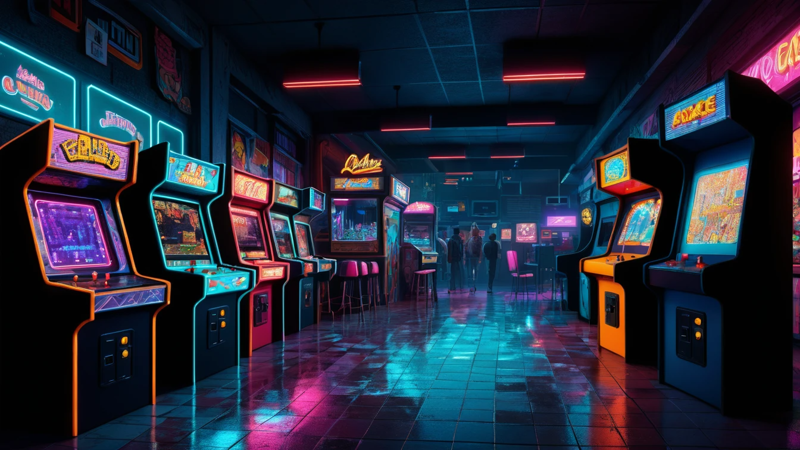
Evolution of video games explores how graphics and storytelling reshaped the gaming industry into an immersive, emotional experience.
The evolution of video games shows how simple pixel graphics and basic plots transformed into lifelike worlds and cinematic storytelling that changed the gaming industry forever. From arcade machines to virtual reality, both graphics and narrative design shaped how players connect with games today.
Evolution Of Video Games: How Graphics And Storytelling Changed The Industry 🎮
Have you ever wondered how we went from blocky characters jumping over barrels to open worlds that feel almost real?
The evolution of video games is more than just better visuals. It’s about how technology and creativity joined forces. Graphics made games beautiful. Storytelling made them meaningful. Together, they turned gaming into one of the biggest entertainment industries in the world.
Let’s break it down step by step.
The Birth Of Arcade Gaming 🕹️
The journey began in the 1970s with arcade machines. Games like Pong and Space Invaders had simple mechanics and basic graphics. Players were hooked, even without complex stories.
Graphics were minimal. You saw dots, lines, and blocks. Yet, those shapes sparked imagination. People lined up at arcades because gameplay mattered more than visuals.
Storytelling was almost non-existent. The goal was simple: beat the high score. But this era built the foundation of modern gaming culture.
The Rise Of 8-Bit Home Consoles 🏠
In the 1980s, home consoles changed everything. Systems like the Nintendo Entertainment System (NES) brought gaming into living rooms.
Games such as Super Mario Bros. and The Legend of Zelda introduced recognizable characters and fantasy worlds. Graphics were still pixelated, but they became colorful and creative.
Storytelling began to matter. Players rescued princesses and explored kingdoms. It was simple, but it added emotional motivation.
Here’s how this era shifted gaming:
- Introduced iconic characters
- Expanded game worlds
- Added basic story arcs
- Made gaming mainstream
The 16-Bit Era And Visual Improvement ✨
The 1990s brought 16-bit consoles like the Super Nintendo Entertainment System (SNES) and Sega Genesis. Graphics became smoother and more detailed.
Colors looked richer. Animations improved. Backgrounds felt alive. Suddenly, games looked more like cartoons.
Storytelling grew deeper. Role-playing games added dialogue and character development. Players didn’t just play levels. They followed journeys.
This was when emotional connection truly started.
The Leap To 3D Graphics 🌍
The mid-1990s introduced 3D gaming. Consoles like the Sony PlayStation and Nintendo 64 changed visual design forever.
Games like Super Mario 64 and Final Fantasy VII allowed players to explore three-dimensional spaces. Characters moved freely. Cameras rotated.
Graphics were rough at first. Polygons looked sharp and blocky. But this leap created immersive worlds.
Storytelling also became cinematic. Cutscenes used dramatic angles and music. Players felt like they were inside a movie.
The Impact Of CD-ROM Technology 💿
CD-ROMs allowed more storage space. This meant better soundtracks and full-motion videos.
Games now included voice acting. Dialogue felt realistic. Music added emotion to key scenes.
Developers could create:
- Longer campaigns
- Detailed environments
- More complex plots
- Cinematic storytelling
This shift pushed gaming closer to Hollywood-level production.
Online Multiplayer And Social Gaming 🌐
The early 2000s saw online gaming explode. Titles like World of Warcraft connected millions of players.
Graphics improved again with stronger consoles and PCs. But the big change was social interaction.
Storytelling became collaborative. Players created their own stories through teamwork and competition.
The gaming industry shifted from solo experiences to shared adventures.
High-Definition Graphics Revolution 📺
With the arrival of the PlayStation 3 and Xbox 360, high-definition graphics became standard.
Textures looked realistic. Lighting improved dramatically. Character faces showed emotion.
Developers used motion capture technology. This made characters move naturally. Games began to blur the line between digital and real life.
Visual realism became a selling point.
| Era | Graphic Style | Storytelling Depth | Player Experience |
| 8-Bit | Pixel Art | Basic Plots | Fun & Simple |
| 3D Era | Early Polygons | Cinematic Stories | Immersive |
| HD Era | Realistic Textures | Emotional Narratives | Movie-Like |
The Rise Of Open World Design 🌄
Open-world games changed the structure of storytelling. Titles like The Elder Scrolls V: Skyrim offered massive landscapes.
Players explored freely. Side quests added layers to the main story. Choices mattered.
Graphics supported this freedom. Detailed environments made exploration rewarding.
This design encouraged creativity and player-driven narratives.
Cinematic Storytelling In Modern Games 🎬
Modern games often feel like interactive movies. Developers focus heavily on narrative design.
Games now include:
- Deep character arcs
- Emotional dialogue
- Moral choices
- Multiple endings
Storytelling is no longer secondary. It drives player engagement and replay value.
“Games don’t just entertain anymore. They make you feel.”
The Influence Of Indie Developers 🎨
Indie games proved you don’t need massive budgets for great storytelling.
Smaller studios focused on art style and unique narratives. Many used simple graphics but powerful stories.
This era reminded players that emotional impact matters more than visual realism.
Creativity became just as important as technology.
Virtual Reality And Immersive Worlds 🥽
Virtual reality pushed immersion further. VR headsets placed players inside the game.
Graphics had to adapt for smooth performance. Developers optimized lighting and movement carefully.
Storytelling in VR feels personal. You don’t watch events. You experience them.
This shift shows how technology continues shaping gaming evolution.
Artificial Intelligence In Storytelling 🤖
AI improves non-playable characters. Enemies react smarter. Dialogue feels dynamic.
Some games now adjust stories based on player choices. This creates personalized experiences.
AI enhances:
- Realistic character behavior
- Adaptive storylines
- Procedural world-building
The future looks highly interactive.
Mobile Gaming And Casual Expansion 📱
Smartphones made gaming accessible to everyone. Casual games reached billions.
Graphics became optimized for smaller screens. Storytelling became shorter but engaging.
This expansion boosted the gaming industry’s revenue dramatically.
Esports And Competitive Visual Design 🏆
Esports changed how graphics are designed. Clarity matters more than realism.
Games must run smoothly at high frame rates. Visual cues help players react faster.
Competitive storytelling focuses on rivalry and community identity.
The Role Of Cloud Gaming ☁️
Cloud gaming reduces hardware limits. Players stream high-quality games instantly.
Graphics can now reach higher levels without expensive consoles.
Storytelling becomes accessible worldwide. More people join the gaming ecosystem.
The Future Of Video Game Evolution 🚀
So, what’s next?
Expect:
- Photorealistic graphics
- AI-driven narratives
- Deeper emotional storytelling
- Cross-platform experiences
The gaming industry keeps growing. Technology and creativity will continue shaping its path.
| Future Trend | Expected Impact | Player Benefit |
| AI Stories | Personalized Gameplay | Unique Experience |
| VR Growth | Full Immersion | Realistic Worlds |
| Cloud Tech | Wider Access | Lower Costs |
Conclusion 🎯
The evolution of video games transformed simple pixel entertainment into rich, emotional experiences. Graphics made worlds beautiful. Storytelling made them meaningful. Together, they shaped a multi-billion-dollar industry that rivals film and television.
From arcades to virtual reality, gaming continues to evolve. And honestly, we’re just getting started.
FAQs
How did graphics improve in video games over time?
Graphics evolved from simple pixel art to realistic 3D environments. Technology allowed better textures and lighting. Modern games now look almost lifelike.
Why is storytelling important in modern games?
Storytelling creates emotional connections. It keeps players engaged longer. Strong narratives increase replay value.
What role did 3D graphics play in gaming history?
3D graphics created immersive environments. Players could explore freely. It changed game design forever.
How has online gaming changed the industry?
Online gaming connected players worldwide. It introduced social interaction. Multiplayer became a major revenue source.
What is the future of video game graphics and storytelling?
Expect realistic visuals and AI-driven plots. Games will feel more personal. Immersion will continue to grow.

Top Features To Look For In A Gaming Chair – Ultimate Comfort Guide

Assassin’s Creed: Shadows Review – Stunning Stealth Comeback

5 Hidden Windows Settings That Instantly Boost Game Performance Fast

How Cross-Platform Gaming Is Breaking Barriers Between Consoles
