
Game Reviews
Assassin’s Creed: Shadows Review – Stunning Stealth Comeback

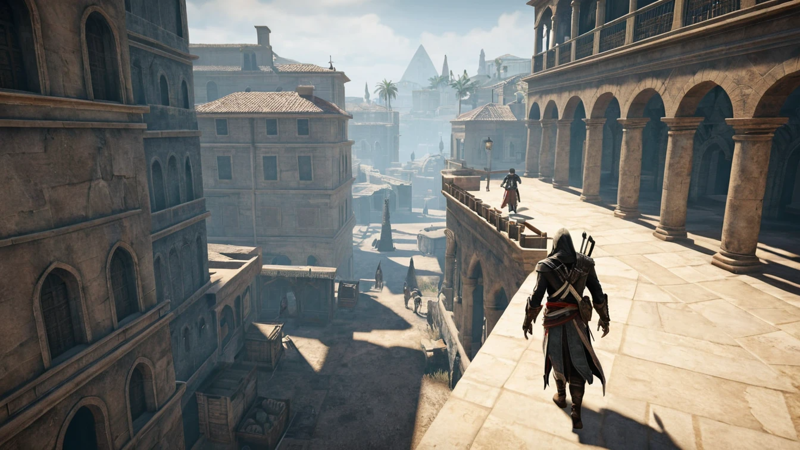
Assassin’s Creed: Shadows Review explores stealth, combat, story, and gameplay improvements in Ubisoft’s exciting return to ninja-style action.
Assassin’s Creed: Shadows brings the franchise back to its stealth roots with smarter gameplay, breathtaking feudal Japan visuals, and two unforgettable protagonists. Ubisoft finally blends classic assassination mechanics with modern RPG systems in a way that feels fresh, exciting, and rewarding.
Assassin’s Creed: Shadows Review — The Return Of Stealth Mastery
Have you ever wondered why longtime fans kept begging Ubisoft to return to stealth-focused gameplay instead of endless sword fights and oversized maps? 🎮
Assassin’s Creed: Shadows finally answers that demand. The game feels like a love letter to classic Assassin’s Creed while still embracing the RPG mechanics introduced in recent titles. Set in feudal Japan, it delivers tension, beauty, strategy, and emotional storytelling in one polished package.
🥷 Why Assassin’s Creed: Shadows Feels Different
The biggest change in Assassin’s Creed: Shadows is its commitment to stealth-first gameplay. Earlier entries leaned heavily into combat-heavy RPG systems. This time, Ubisoft pushes players to think carefully before charging into enemy camps. Every rooftop, shadow, and distraction tool matters again.
The game also creates a slower and more tactical experience. Guards react intelligently to sound and movement. Darkness becomes your best weapon. Weather and seasons even affect visibility, making stealth feel dynamic instead of scripted. That small detail changes everything.
Unlike some recent titles, this game respects patience. Sneaking through castles at night feels rewarding again. You are not just a warrior anymore. You feel like a true assassin.
⚔️ Meet The Two Playable Characters
One of the smartest decisions Ubisoft made was introducing dual protagonists. Both characters offer completely different gameplay styles, which keeps the experience fresh for dozens of hours.
Naoe is a stealth-focused shinobi assassin. She excels in agility, parkour, silent kills, and infiltration. Yasuke, on the other hand, is a powerful samurai inspired by the real historical figure. He dominates direct combat with brutal efficiency.
| Character | Playstyle | Strength |
| Naoe | Stealth & Agility | Silent Assassinations |
| Yasuke | Heavy Combat | Powerful Melee Attacks |
| Shared Features | Exploration & Story | Open-World Missions |
Switching between them feels natural. Some missions even encourage creative combinations of stealth and brute force. That balance prevents gameplay from becoming repetitive.
🌸 Feudal Japan Finally Arrives
Fans requested Japan as a setting for years. Ubisoft clearly understood the pressure and delivered an incredible recreation of feudal Japan. The world feels alive in every direction.
Cherry blossom forests sway naturally in the wind. Villages bustle with merchants and travelers. Castles tower over foggy landscapes. Even simple moments, like riding through a rainy bamboo forest, feel cinematic.
The changing seasons are more than visual upgrades. Winter slows movement and reduces sound. Summer creates dense vegetation for hiding. These mechanics make exploration more immersive and strategic.
Players who love historical settings will appreciate the level of detail. Ubisoft captures Japanese architecture, culture, and atmosphere beautifully without making the world feel artificial.
🕶️ Stealth Gameplay Finally Returns
Stealth is the true star of the experience. Ubisoft redesigned enemy detection systems to reward smart movement and timing. Hiding in shadows matters again, which feels amazing for longtime fans.
Naoe has tools like smoke bombs, grappling hooks, and kunai knives. Players can extinguish lights to create darkness or crawl beneath buildings for hidden entry points. These additions create more freedom in every mission.
Here are some standout stealth improvements:
- Dynamic light and shadow systems 🌑
- Better enemy patrol behavior
- Multiple assassination paths
- Vertical infiltration mechanics
- Environmental distractions
The result feels closer to classic Assassin’s Creed II and Unity than recent entries. That shift gives the game a stronger identity.
🗡️ Combat Is Brutal And Strategic
While stealth dominates the experience, combat still plays an important role. Yasuke’s fighting style feels heavy, deliberate, and impactful. Every sword strike carries weight.
Enemies are more aggressive than before. Timing blocks and dodges matters greatly. Players cannot simply spam attacks endlessly. Combat now rewards observation and patience rather than chaotic button-mashing.
Weapon variety also adds depth. Katanas, spears, clubs, and bows all behave differently. Some weapons break enemy armor faster, while others prioritize speed.
The balance between stealth and combat feels smarter this time. Players can choose their preferred approach without feeling forced into one system.
🏯 Open World Design Feels More Focused
One major criticism of recent Assassin’s Creed games was bloated map design. Massive worlds often felt repetitive and exhausting. Thankfully, Shadows improves this issue significantly.
The world remains large, but activities feel more meaningful. Side missions contain stronger storytelling and unique objectives. Exploration rewards players with hidden lore, equipment, and assassination opportunities.
| Open-World Feature | Improvement |
| Side Quests | Better Writing |
| Exploration | More Rewarding |
| Map Design | Less Repetition |
| Enemy Bases | Multiple Approaches |
| Travel | Faster Navigation |
Ubisoft clearly focused on quality over quantity. That decision makes progression smoother and more enjoyable.
🎭 Storytelling Carries Real Emotional Weight
The story explores themes of loyalty, identity, revenge, and social conflict. Both protagonists struggle with personal burdens that shape their decisions throughout the game.
Naoe’s emotional journey feels especially compelling. Her stealth-focused missions create intimate moments filled with tension and heartbreak. Yasuke’s perspective adds political depth and cultural conflict to the narrative.
Dialogue scenes feel more grounded compared to previous entries. Characters speak naturally and avoid excessive exposition. That subtle writing style helps emotional moments land harder.
Several story twists genuinely surprise players. The pacing also stays consistent, which was a problem in some earlier Assassin’s Creed games.
🌧️ Weather And Seasons Change Gameplay
Dynamic weather is not just cosmetic here. Rain muffles footsteps. Snow slows enemies and changes movement patterns. Thick fog creates opportunities for silent infiltration.
These environmental mechanics constantly force players to adapt. One mission might encourage rooftop movement during heavy rain, while another requires stealth through snowy forests.
The seasonal transitions also make the world feel alive over time. Villages change decorations, NPC clothing evolves, and wildlife behaves differently depending on the environment.
This level of immersion keeps gameplay engaging even after many hours.
🎵 Audio Design Deserves Serious Praise
The sound design in Assassin’s Creed: Shadows is incredible. Quiet footsteps, rustling leaves, distant thunder, and sword clashes create constant atmosphere.
The soundtrack blends traditional Japanese instruments with cinematic orchestral themes. During stealth sequences, music remains subtle and tense. Combat encounters suddenly explode with intensity. 🎶
Voice acting is another highlight. Both protagonists deliver emotional performances that feel authentic and believable. Supporting characters also avoid sounding robotic or generic.
Players using headphones will especially appreciate the immersive audio layering throughout the game.
🧗 Parkour Finally Feels Smooth Again
Movement has always been central to Assassin’s Creed. Thankfully, parkour feels much more refined in Shadows compared to recent entries.
Naoe moves fluidly across rooftops, walls, and narrow structures. Animations blend naturally without awkward interruptions. Climbing feels responsive and satisfying once again.
The grappling hook also expands traversal options. Players can quickly scale buildings or swing across gaps. That addition makes exploration faster and more cinematic.
Classic fans who missed stylish movement mechanics will likely feel relieved here.
🎯 Mission Variety Keeps Things Fresh
Mission design avoids repetition surprisingly well. Players constantly receive new objectives, environments, and infiltration challenges.
Some missions involve political espionage. Others focus on rescuing prisoners, infiltrating castles, or tracking dangerous targets through forests. Ubisoft keeps objectives varied enough to maintain excitement.
Here are several standout mission types:
- Castle infiltrations 🏯
- Night assassinations 🌙
- Samurai duels ⚔️
- Political investigations 📜
- Village defense missions 🛡️
The game also rewards creativity. Multiple solutions exist for many objectives, which increases replay value significantly.
📈 RPG Mechanics Feel Less Overwhelming
Recent Assassin’s Creed titles often buried players beneath endless gear upgrades and level grinding. Shadows scales back those systems intelligently.
Progression now feels streamlined. Skill trees remain important, but they avoid unnecessary complexity. Gear upgrades are meaningful without becoming exhausting.
| RPG System | How Shadows Improves It |
| Loot System | Less Clutter |
| Skill Trees | Easier Navigation |
| Upgrades | More Meaningful |
| Crafting | Simplified |
| Character Builds | More Flexible |
This balance allows players to focus on gameplay instead of menus. That improvement alone makes the experience smoother.
👀 Visuals Push The Franchise Forward
Graphically, Assassin’s Creed: Shadows is stunning. Lighting technology dramatically improves nighttime stealth gameplay. Shadows look realistic and natural instead of artificial.
Character animations feel more lifelike during combat and cutscenes. Facial expressions also carry stronger emotional detail than previous entries.
The environmental design deserves special praise. Forests, rivers, villages, and temples all feel handcrafted rather than procedurally generated. Ubisoft clearly invested heavily in atmosphere and immersion.
Even smaller details stand out. Wind interacts naturally with clothing and vegetation. Reflections during rainy scenes look gorgeous on modern hardware.
🧠 Enemy AI Creates Real Tension
Enemy intelligence finally feels threatening again. Guards investigate suspicious sounds carefully instead of instantly forgetting them. Some enemies coordinate searches intelligently after discovering bodies.
Stealth encounters now create genuine tension. Players must think strategically before entering restricted areas. Rushing blindly often leads to disaster.
Different enemy types also force adaptation. Archers control rooftops, armored soldiers resist frontal attacks, and scouts detect movement quickly.
That variety prevents stealth encounters from feeling predictable or repetitive.
😊 Longtime Fans Will Feel Rewarded
Classic Assassin’s Creed fans have waited years for this type of experience. Shadows finally reconnects with the franchise’s original identity while still evolving mechanically.
The hidden blade matters again. Parkour feels important. Assassinations require planning. Those features remind players why the series became popular in the first place.
At the same time, Ubisoft avoids simply copying older games. Modern RPG mechanics still exist, but they support stealth rather than overshadowing it.
That balance between old and new feels surprisingly successful.
🚀 Performance And Technical Stability
Launch performance matters greatly for modern games, and Shadows performs better than many expected. Frame rates remain stable during exploration and large combat encounters.
Loading times are significantly faster on current-generation consoles and PCs. Fast travel also feels smoother compared to earlier Ubisoft titles.
Minor bugs still appear occasionally. Some NPC animations glitch during crowded scenes, and stealth pathing can behave strangely at times. Thankfully, these issues rarely ruin gameplay.
Overall, the game launches in far better technical shape than several recent open-world releases.
🔥 Is Assassin’s Creed: Shadows Worth Buying?
For most players, the answer is absolutely yes. Assassin’s Creed: Shadows succeeds because it understands what fans truly wanted from the franchise.
Stealth gameplay feels meaningful again. The feudal Japan setting is breathtaking. Combat remains satisfying without overshadowing assassinations. Most importantly, the game respects player choice and creativity.
Players who enjoyed classic Assassin’s Creed titles will likely love this direction. Even newcomers may find this entry more accessible and engaging than previous RPG-heavy installments.
It is not perfect, but it represents one of Ubisoft’s strongest Assassin’s Creed experiences in years.
🎮 Conclusion
Assassin’s Creed: Shadows feels like a turning point for the franchise. Ubisoft finally found a balance between immersive RPG mechanics and classic stealth-focused gameplay. The dual protagonists, stunning feudal Japan setting, improved AI, and meaningful stealth systems create an experience that feels fresh yet familiar.
For longtime fans, this is the return they hoped for. For new players, it may become the perfect entry point into the series. Either way, Shadows proves that stealth still belongs at the heart of Assassin’s Creed. 🥷
❓FAQs
Is Assassin’s Creed: Shadows Good For Stealth Fans?
Yes, the game strongly focuses on stealth gameplay. Darkness, sound, and enemy AI all matter again. It feels closer to classic Assassin’s Creed titles than recent RPG-heavy entries.
Can You Play Assassin’s Creed: Shadows Without Combat?
Many missions support stealth-only approaches. Naoe’s abilities allow silent infiltration and assassinations. Some situations still require combat, especially when playing Yasuke.
Does Assassin’s Creed: Shadows Have A Big Open World?
Yes, the game features a large open-world version of feudal Japan. However, the world feels more focused and less repetitive. Exploration rewards players with meaningful content.
Is Assassin’s Creed: Shadows Better Than Valhalla?
Many players may prefer Shadows because of its stronger stealth systems and tighter pacing. The world also feels more immersive and less bloated. Fans of classic Assassin’s Creed gameplay will likely enjoy it more.
How Long Is Assassin’s Creed: Shadows Campaign?
The main story takes roughly 30 to 40 hours to complete. Side content can easily extend gameplay beyond 70 hours. Completionists will have plenty to explore and unlock.

Top Features To Look For In A Gaming Chair – Ultimate Comfort Guide

Assassin’s Creed: Shadows Review – Stunning Stealth Comeback

5 Hidden Windows Settings That Instantly Boost Game Performance Fast

How Cross-Platform Gaming Is Breaking Barriers Between Consoles
