
Gaming News
How Cross-Platform Gaming Is Breaking Barriers Between Consoles

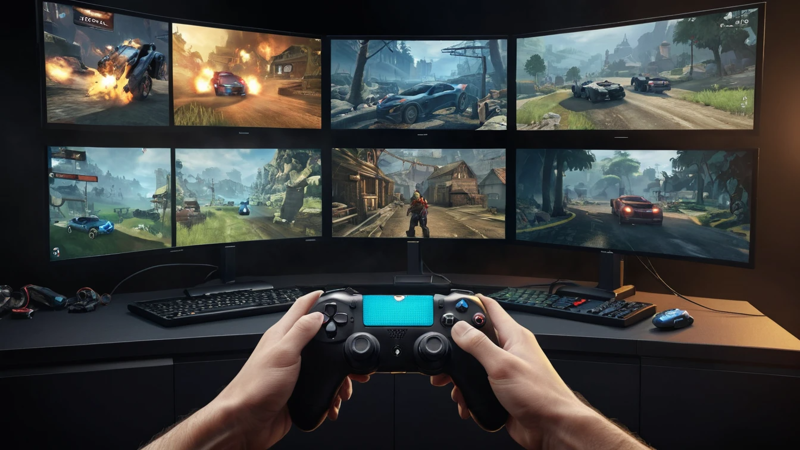
How Cross-Platform Gaming is changing multiplayer gaming by connecting console, PC, and mobile players for a smoother, more social experience.
Cross-platform gaming allows players on different devices to play together in the same online game. It removes the limits between consoles, PCs, and mobile devices, creating larger gaming communities and more flexible multiplayer experiences.
How Cross-Platform Gaming Is Breaking Barriers Between Consoles 🎮
Cross-platform gaming allows players on different devices to play together in the same online game. It removes the limits between consoles, PCs, and mobile devices, creating larger gaming communities and more flexible multiplayer experiences.
Have you ever wanted to play your favorite online game with friends, only to realize they use a different console? That frustrating moment used to be common in gaming. Today, things are changing fast. Cross-platform gaming is helping players connect no matter which device they own.
Modern gamers care more about playing together than arguing over consoles. Developers and gaming companies finally understand this shift. As a result, crossplay gaming has become one of the biggest changes in the gaming industry. It is transforming how people interact, compete, and build online friendships across the world. 🌍
🎯 What Is Cross-Platform Gaming?
Cross-platform gaming, often called crossplay, allows players using different systems to join the same online matches. A person on PlayStation can now team up with someone using Xbox, PC, or even mobile devices. This feature breaks the old walls between gaming ecosystems.
In the past, gaming companies wanted users locked into their own systems. If your friends owned another console, you often had no choice but to buy the same hardware. Cross-platform support changed that completely. Players now enjoy more freedom and flexibility than ever before.
Popular multiplayer titles helped push this trend forward quickly. Games like Fortnite, Rocket League, and Minecraft proved crossplay could work smoothly. Their success encouraged more developers to support shared gaming experiences across platforms.
🚀 Why Crossplay Became So Popular
The rise of online multiplayer gaming changed player expectations. People now want instant access to friends and gaming communities. Nobody wants hardware limitations stopping social experiences anymore.
Streaming culture also played a huge role in cross-platform popularity. Content creators stream games to millions of viewers across different systems. Fans want to join those games regardless of their device. Crossplay helps keep gaming communities connected and active.
Gaming companies noticed another important benefit. Cross-platform support increases player retention. When more people can play together, games stay alive longer. That creates better long-term profits for developers and publishers alike.
| Crossplay Benefits | Impact on Players |
| Larger matchmaking pools | Faster online matches |
| More social gaming | Friends stay connected |
| Better game lifespan | Communities remain active |
| Device flexibility | Freedom to play anywhere |
🕹️ How Consoles Used To Stay Separate
For many years, console makers competed aggressively against each other. Xbox, PlayStation, and Nintendo each built exclusive ecosystems. They wanted gamers fully invested in their own platforms.
This separation created serious frustrations for players. Two friends could own the same game but still could not play together. Online communities became divided into smaller groups based on hardware ownership.
Companies also feared losing customers to competitors. Cross-platform gaming once seemed risky from a business standpoint. Console makers worried shared gaming would reduce brand loyalty. Over time, player demand became too strong to ignore.
🌐 The Technology Behind Cross-Platform Gaming
Crossplay works because modern game servers handle communication between multiple systems. Instead of relying only on console networks, many games now use cloud-based infrastructure. This allows smoother connections across devices.
Developers also create shared accounts for progress syncing. Players can often keep the same profile, inventory, and achievements across platforms. This feature is called cross-progression, and gamers love it.
Security improvements made crossplay safer as well. Anti-cheat systems, account verification, and better moderation tools help protect players across platforms. Without these advancements, large-scale crossplay would be difficult to manage.
👥 How Crossplay Strengthens Gaming Communities
Gaming has become more social than ever before. Players now see games as digital hangout spaces instead of solo entertainment. Cross-platform gaming supports this shift by keeping friend groups connected.
Communities grow faster when players from all systems can interact together. Forums, Discord groups, and esports communities become larger and more active. Shared experiences create stronger gaming cultures online.
Crossplay also helps smaller games survive longer. Without enough active players, multiplayer games often die quickly. Cross-platform matchmaking keeps player pools healthy and competitive for years.
🎮 Popular Games Leading The Crossplay Revolution
Several blockbuster games helped normalize cross-platform gaming worldwide. Their success showed both players and developers that shared ecosystems could thrive.
Some of the most successful crossplay titles include:
- Fortnite
- Minecraft
- Rocket League
- Call of Duty: Warzone
- Apex Legends
- Roblox
- Destiny 2
These games attract millions of active users daily. Their cross-platform support helped expand gaming communities beyond console boundaries.
| Game | Supported Platforms |
| Fortnite | PC, Xbox, PlayStation, Switch, Mobile |
| Minecraft | PC, Console, Mobile |
| Rocket League | PC, Xbox, PlayStation, Switch |
| Apex Legends | PC, Xbox, PlayStation, Switch |
| Roblox | PC, Console, Mobile |
💡 Why Gamers Love Cross-Platform Features
Cross-platform gaming removes unnecessary barriers. Players can finally choose devices based on preference instead of social pressure. That freedom improves the overall gaming experience.
Gamers also save money because they no longer need multiple consoles just to play with friends. A player can stick with their favorite system while still enjoying multiplayer experiences across platforms.
Another major advantage is faster matchmaking. Larger player pools reduce waiting times significantly. Competitive games especially benefit from bigger matchmaking systems because skill-based pairing becomes more accurate.
📱 Mobile Gaming Joins The Crossplay Movement
Mobile gaming now plays a huge role in cross-platform ecosystems. Smartphones have become powerful enough to support large online multiplayer games. Developers increasingly connect mobile players with console and PC users.
Games like Fortnite and Minecraft helped prove mobile crossplay could succeed. Players enjoy gaming anywhere without losing progress or social connections. This flexibility attracts casual and hardcore gamers alike.
Mobile cross-platform gaming also expands global accessibility. Many players around the world cannot afford expensive gaming consoles. Smartphones give them access to large gaming communities at lower costs. 📲
⚔️ Challenges Facing Cross-Platform Gaming
Despite its growth, crossplay still faces challenges. One common issue involves balancing gameplay between devices. PC players often use keyboards and mice, which can provide advantages over controllers.
Cheating is another concern. Open PC ecosystems sometimes experience more hacking problems than consoles. Developers must constantly improve anti-cheat systems to maintain fair gameplay across platforms.
Technical optimization also requires major effort. Games must run smoothly on many types of hardware with different performance levels. Maintaining stable servers for millions of cross-platform users can become expensive and complex.
🧩 How Developers Balance Competitive Fairness
Developers use several strategies to balance gameplay fairly. Many games separate players based on input devices instead of hardware. Controller users may only face other controller users in competitive modes.
Skill-based matchmaking systems also help create balanced experiences. These systems analyze player performance rather than device type. Strong players compete against equally skilled opponents regardless of platform.
Some games even allow players to disable crossplay entirely. This option gives users more control over their online experience. Flexibility remains important for maintaining player satisfaction.
📈 Crossplay Is Changing The Gaming Industry
Cross-platform gaming is influencing major business decisions throughout the gaming world. Companies now focus more on software ecosystems than hardware exclusivity. Subscription services and online communities matter more than ever.
Game developers increasingly prioritize live-service models. These games depend on large active player bases for long-term success. Crossplay helps maintain engagement by uniting gamers across platforms.
The industry also sees stronger partnerships between competitors. Console makers once refused collaboration completely. Today, companies work together more often because gamers demand connected experiences.
| Industry Change | Result |
| Shared player ecosystems | Larger communities |
| Cross-progression systems | Better user convenience |
| Live-service gaming growth | Longer game lifespans |
| Platform collaboration | Increased player satisfaction |
🌟 The Role Of Cloud Gaming In Crossplay
Cloud gaming could push cross-platform experiences even further. Instead of relying entirely on hardware, cloud services stream games directly over the internet. This reduces hardware limitations dramatically.
Services like cloud streaming make it easier for players to access games across multiple devices instantly. A gamer might start playing on a console and continue later on a tablet or laptop.
As internet speeds improve, cloud gaming and cross-platform support may become deeply connected. The future of gaming could focus less on hardware ownership and more on universal accessibility.
🎧 How Crossplay Impacts Esports
Esports organizations benefit greatly from larger gaming communities. Cross-platform support increases tournament participation and audience size. More players mean stronger competition and greater viewer interest.
However, esports also faces fairness concerns with mixed hardware environments. Tournament organizers must carefully manage settings and equipment standards. Competitive integrity remains essential for professional gaming.
Still, crossplay helps esports become more inclusive overall. Talented players can compete regardless of their preferred gaming device. That creates broader opportunities within competitive gaming scenes.
🤝 Breaking Console Wars And Toxic Rivalries
For years, gamers argued endlessly about which console was superior. These “console wars” divided gaming communities and created toxic online behavior. Cross-platform gaming is helping reduce those rivalries.
When players compete and cooperate together, platform loyalty becomes less important. Shared gaming experiences encourage collaboration instead of division. Many gamers now care more about gameplay quality than hardware brands.
This cultural shift benefits the entire gaming industry. Communities become more welcoming, social, and connected. Positive online interactions help gaming continue growing worldwide.
🔮 The Future Of Cross-Platform Gaming
The future of cross-platform gaming looks incredibly promising. More developers now treat crossplay as a standard feature instead of an optional bonus. Gamers increasingly expect universal multiplayer support.
Artificial intelligence and cloud technologies could improve matchmaking, performance, and server stability even further. Shared ecosystems may eventually connect consoles, PCs, VR headsets, and mobile devices seamlessly.
Future gaming experiences may feel completely platform-independent. Players will simply log in and play with friends anywhere. The focus will shift entirely toward community, accessibility, and immersive entertainment. 🚀
🎯 What Players Should Expect Next
Gamers can expect stronger cross-progression systems in upcoming titles. Switching between devices will become smoother and more convenient. Shared inventories, achievements, and subscriptions will likely expand.
Developers may also create more unified gaming ecosystems. Instead of separating players by device, companies could focus on personalized gaming profiles and social networks.
Some trends likely to continue include:
- More cross-platform multiplayer launches
- Faster cloud gaming adoption
- Better anti-cheat systems
- Increased mobile-console integration
- Expanded cross-save functionality
These improvements will continue reshaping multiplayer gaming over the next decade.
Conclusion 🎮
Cross-platform gaming is transforming the gaming industry by removing barriers between consoles, PCs, and mobile devices. Players no longer need identical systems just to enjoy games together. Crossplay creates larger communities, faster matchmaking, and more social gaming experiences.
As technology continues improving, cross-platform support will likely become the standard for online gaming. Developers, publishers, and gamers all benefit from connected ecosystems. The future of gaming is less about hardware competition and more about shared experiences that bring people together worldwide.
FAQs
❓How Does Cross-Platform Gaming Work?
Cross-platform gaming uses shared online servers to connect players from different devices. Developers build systems that allow consoles, PCs, and mobile users to communicate together. Many games also support shared accounts and progress syncing.
❓What Are The Best Crossplay Games Today?
Popular crossplay games include Fortnite, Minecraft, Rocket League, and Call of Duty: Warzone. These games support multiplayer gaming across multiple devices. They also maintain large and active communities worldwide.
❓Can PC And Console Players Compete Fairly?
Many games use skill-based matchmaking and input balancing systems. Some separate controller users from keyboard players during ranked matches. Developers constantly improve fairness settings for better competition.
❓Why Is Cross-Platform Gaming Important?
Cross-platform gaming allows friends to play together regardless of device choice. It increases player communities and improves matchmaking speed. It also helps games stay active for much longer periods.
❓Will All Future Games Support Crossplay?
Many developers now see crossplay as an expected feature. While not every game supports it yet, the trend continues growing rapidly. Future multiplayer titles will likely include cross-platform functionality more often.

Top Features To Look For In A Gaming Chair – Ultimate Comfort Guide

Assassin’s Creed: Shadows Review – Stunning Stealth Comeback

5 Hidden Windows Settings That Instantly Boost Game Performance Fast

How Cross-Platform Gaming Is Breaking Barriers Between Consoles
